


How Do You Know When Your Kia Needs New Brakes?
Warning Signs Kia Owners Shouldn’t Ignore and What to Do Next
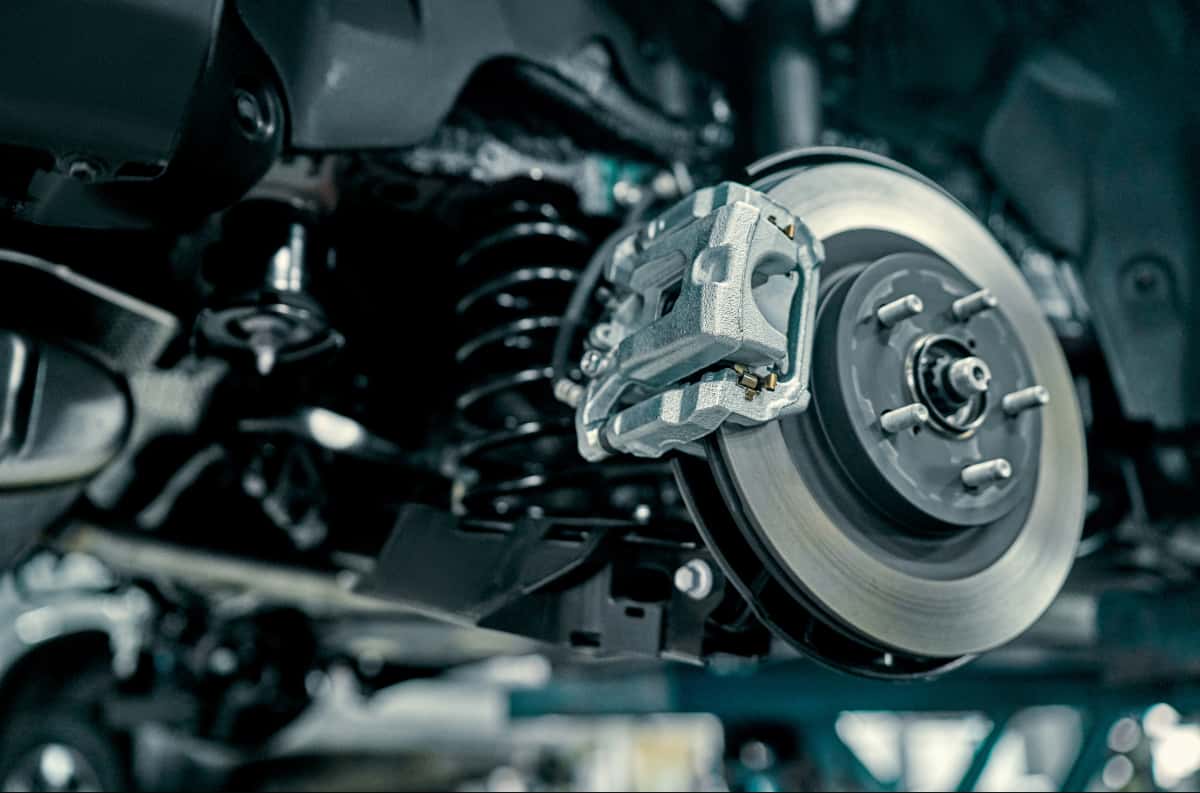
Your brakes aren’t something that fails overnight. Usually, they give you plenty of warning signs like squeaks, vibrations, and a pedal that feels a little off, before things become serious. The problem is that many drivers aren’t sure what those warning signs actually mean or whether what they’re noticing is urgent enough to act on.
If you’ve been second-guessing something about the way your Kia stops lately, this is your guide. The service team at Quality Kia in Greenwood is here to take the guesswork out of it and explain what to watch for.
1. Squealing or Squeaking When You Brake
This is the most common early warning sign, and it’s actually built into your brake pads on purpose. Most brake pads contain a small metal wear indicator that produces a high-pitched squeal when the pad material gets low enough. Think of it as your brakes sending you a heads-up before things get worse.
Occasional light squeaking after the car has been sitting overnight or after driving through rain is usually normal and clears up quickly. But if you’re hearing it consistently every time you apply the brakes, it’s time to have your pads inspected.
2. Grinding or Growling Noises
If squealing is the early warning, grinding is the alarm going off. A grinding or growling sound when you brake typically means the pad material has worn down completely, and now metal is contacting metal—specifically, the brake caliper pressing directly against the rotor.
At this stage, the damage isn’t limited to your pads anymore. Rotors can become scored or warped, which means a more involved repair than a simple pad replacement. If you’re hearing grinding, don’t put this one off.
3. Your Kia Pulls to One Side When Braking
If your car drifts left or right when you apply the brakes, it usually points to uneven brake wear or a caliper that isn’t releasing properly. One side is doing more work than the other, which throws off the balance of braking force across the front or rear axle.
Pulling can also be a sign of a brake fluid issue or a stuck caliper, both of which need attention beyond a standard pad swap. Either way, it’s worth a professional look.
4. Vibration or Pulsing in the Pedal or Steering Wheel
A brake pedal that pulses or shudders under your foot—or a steering wheel that vibrates when you slow down—usually points to warped rotors. Rotors can warp from excessive heat, hard braking over time, or from being machined too thin during a previous service.
When rotors aren’t perfectly flat, the pads can’t make even contact across the surface, which creates that pulsing sensation. Depending on how far the warping has progressed, rotors can sometimes be resurfaced, though replacement is often the better long-term solution.
5. A Soft, Spongy, or Low Brake Pedal
If your pedal feels mushy, sinks closer to the floor than usual, or requires more pressure than it used to before the brakes engage, that’s a brake fluid concern. Air in the brake lines or a fluid leak can reduce hydraulic pressure, making your braking feel less responsive than it should.
This one deserves prompt attention. A soft pedal doesn’t just mean decreased braking performance; it means the system isn’t functioning as designed, and that’s a safety issue regardless of how the brakes feel during normal, light stops.
6. Your Brake Warning Light Is On
Most Kia vehicles are equipped with a brake pad wear sensor that triggers a dashboard warning light when pads get low. If that light comes on, or if your general brake system warning light illuminates, take it seriously.
Warning lights sometimes appear before physical symptoms, making them a useful first line of defense. Don’t dismiss it as a sensor glitch without having it checked.
How Long Do Kia Brake Pads Typically Last?
Brake pad lifespan varies depending on driving habits, road conditions, and whether you do more city or highway driving. Generally speaking, most brake pads last somewhere between 30,000 and 70,000 miles, but that’s a wide range for a reason. Drivers who brake heavily in stop-and-go traffic will wear through pads significantly faster than those logging mostly highway miles.
Having your brakes inspected during routine service visits is the simplest way to stay ahead of wear before it becomes a problem.
Kia Brake Service at Quality Kia in Greenwood
If any of this sounds familiar, the service team at Quality Kia is ready to help. We offer Kia brake service performed by factory-trained technicians who know your vehicle’s specifications, and we regularly run Kia brake service specials to help make maintenance more manageable.
Don’t wait until a squeak turns into a grind. Schedule your brake inspection online at Quality Kia’s service department or give us a call, and we’ll take a look and tell you honestly where things stand.
0 comment(s) so far on How Do You Know When Your Kia Needs New Brakes?